Debt Collection Agency in Germany - No Win, No Fee
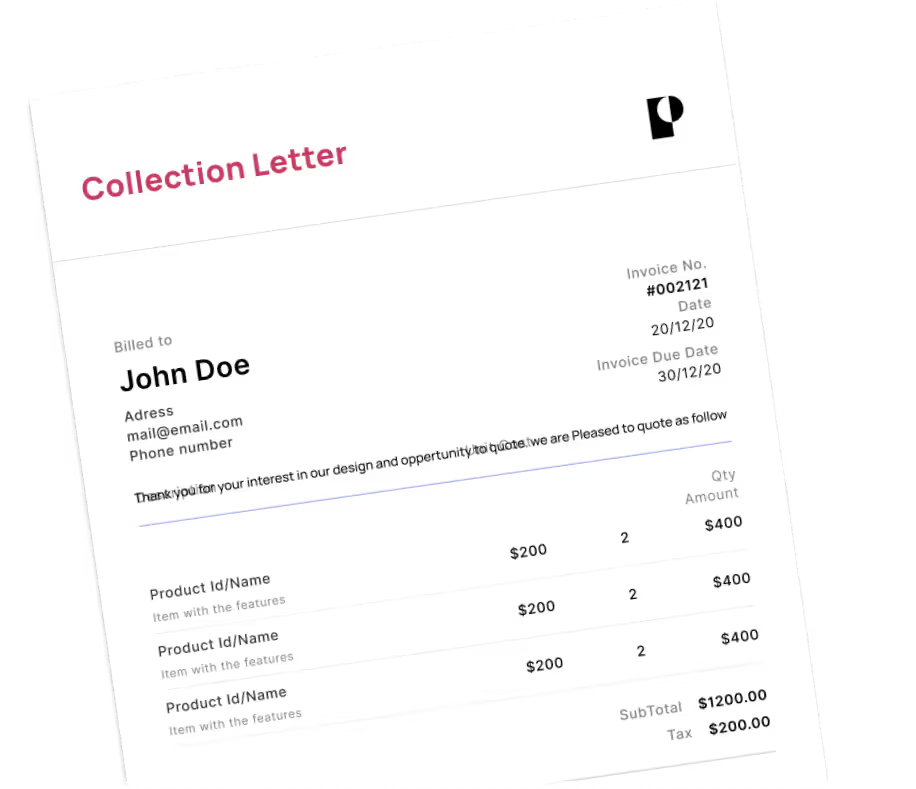
Stop chasing overdue invoices in Germany. Your claims are handled exclusively by LIQUIDA Inkasso GmbH, our licensed local experts (Inkassobüro) who recover your debts - fast, with zero upfront fees. Submit claims in minutes, track real-time updates, and effortlessly get your money back.


Get free expert advice
Response from a specialist within 24 hours.
Why Choose Debitura for Debt Collection in Germany?
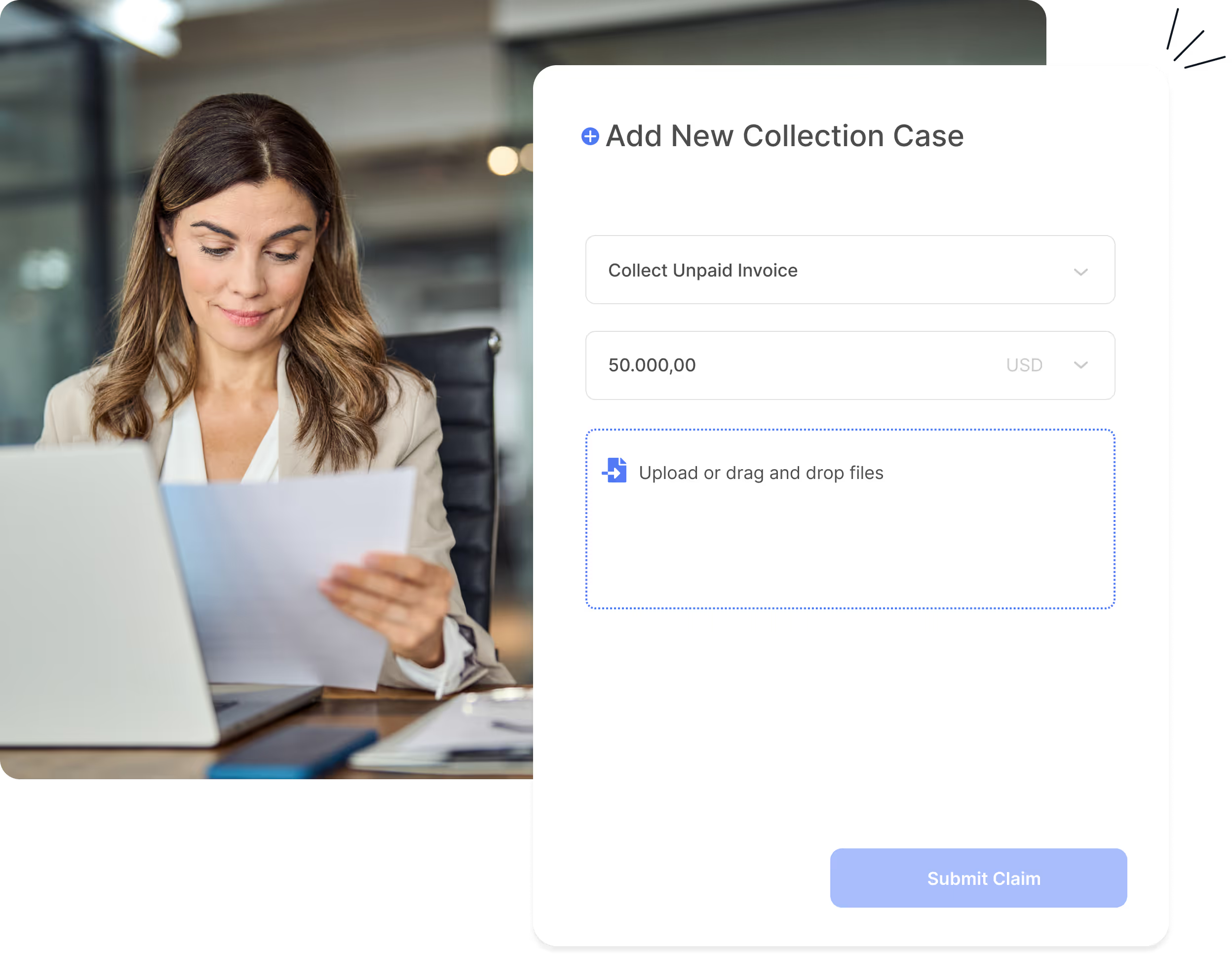
Fast, simple and risk-free debt collection in Germany
Debitura recovers unpaid invoices from debtors in Germany through our platform: submit your claim, and we assign it to a licensed local partner working on a No Cure, No Pay basis while you track progress in real time. Your case is handled by LIQUIDA Inkasso GmbH, a Heilbronn-based debt collection agency with 25+ years of experience and over 70 employees, ISO 9001 certified and a BDIU member since founding.
- Risk-free: Pay only when we recover your money.
- Quick setup: Submit invoices in a few clicks.
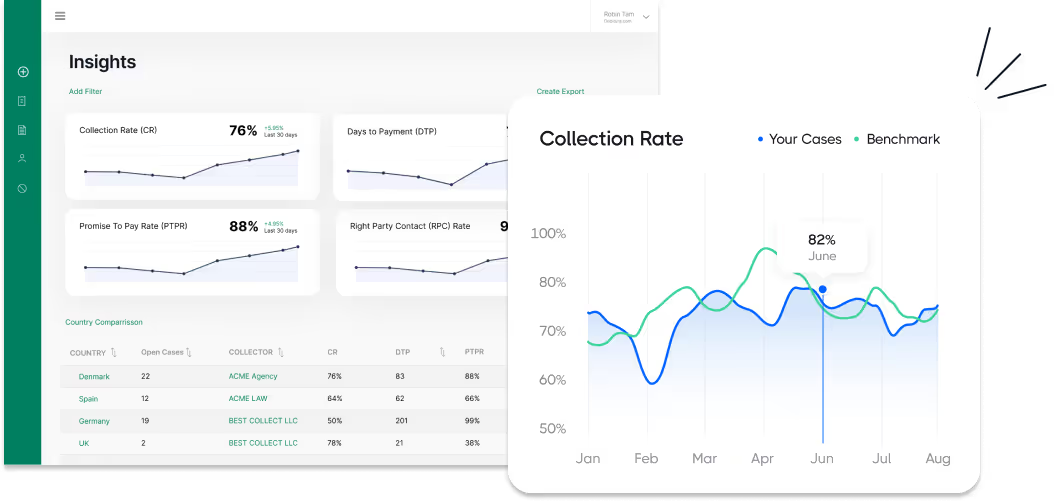
- Real-time tracking: Monitor progress live in one portal.
- Local expertise: Licensed German Inkassounternehmen handles everything.
Getting started is simple
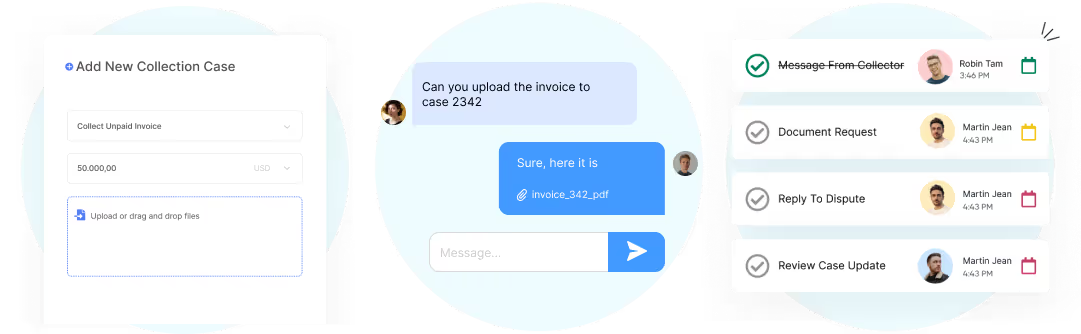
- Create your free Debitura account and submit your German claim with invoice details.
- LIQUIDA Inkasso GmbH contacts your debtor within 24 hours using German-language communication.
- Track real-time progress in your dashboard. Pay only when funds are recovered.
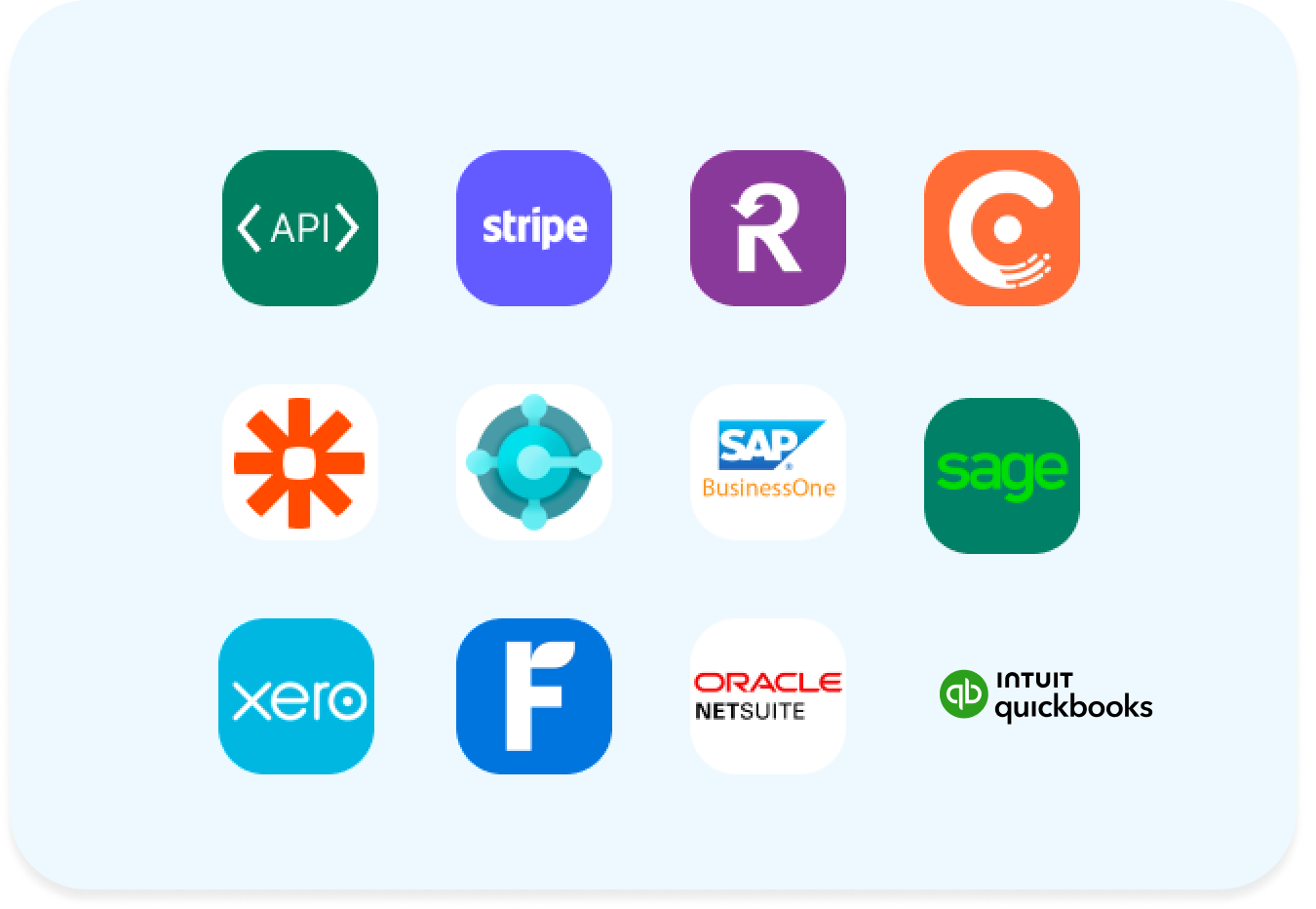
Prefer automation? Connect your ERP or accounting software to submit claims automatically.

Transparent, success-based pricing
With Debitura you only pay when we succeed. Pre-legal collection is No Cure, No Pay: a success fee deducted from recovered amounts, invoiced locally by your partner. Fees depend on the debtor's country, not yours.
- Debtors in Europe (EU, Iceland, Liechtenstein, Norway, the UK and Switzerland): success fees from 6% depending on claim size.
- Debtors in the rest of the world: success fees from 7.5% depending on claim size.
- Older claims: a surcharge applies for claims 12–24 months overdue and for claims older than 24 months.
- Legal action is optional: you approve fixed-price quotes before any legal spend.
See the pricing page for the full fee schedule, or get an instant estimate when you upload a claim.
How does debt collection work in Germany?
Debt collection in Germany starts with an amicable phase handled locally by LIQUIDA Inkasso GmbH: reminders and a formal demand for payment, aimed at full payment or a written acknowledgement of the debt. Most undisputed claims are resolved at this stage. If the debtor still does not pay, escalation is never automatic; your partner assesses the legal route, and you approve a fixed-price quote before any court step.
- Most German debts resolve in the amicable phase without court involvement.
- Typical timeline: 60-90 days from first notice to resolution.
- Legal escalation via Mahnverfahren available if debtor does not pay.
- Enforcement through court bailiffs (Gerichtsvollzieher) if judgment is obtained.
The four steps from unpaid invoice to recovered cash
- Step 1, Amicable collection: reminders, a formal demand and negotiation, handled locally by LIQUIDA Inkasso GmbH. Most undisputed claims are resolved here, without going to court.
- Step 2, Enforceable title: if the debtor still does not pay, your partner assesses the legal route to obtain an enforceable title, and you approve a fixed-price quote before anything proceeds.
- Step 3, Enforcement: with a title, the enforcement authorities can attach and sell assets, garnish bank accounts and wages, and take other measures until the claim is recovered.
- Step 4, Insolvency: if the debtor cannot pay, your proof of claim is filed in the insolvency process, and any distributions are monitored on your behalf.
Every step is tracked in your dashboard, and nothing escalates without your approval. The full legal detail for Germany follows in the guide below.

Debt collection in Germany - the complete 2026 guide
Built for overseas and domestic creditors, in-house counsel and finance teams, this guide sets out how debt collection in Germany works end to end: the legal framework, who does what, limitation and interest rules, the order-for-payment route (Mahnverfahren) to an enforceable title, enforcement by the bailiff, and corporate insolvency under the Insolvenzordnung.
On this page:
Why you can trust this guide
At Debitura, we uphold the highest standards of impartiality and precision to bring you comprehensive guides on international debt collection. Every guide is written from primary legal sources and reviewed by licensed local experts in the jurisdiction it covers.
Questions or feedback? Email us at contact@debitura.com , we update this guide based on your input.
Debitura By the Numbers:
- 767 licensed partners - collection agencies and law firms in our network
- 180 countries covered - with cases handled in 174 of them
- 5,306 businesses registered with Debitura
- 33 days median time to first payment on European cases
Expert-led, locally validated
Written by Lars Holdgaard, Founder of Debitura (+10 years in global B2B debt recovery). Every page is reviewed by top local attorneys to ensure legal accuracy and practical steps you can use.

Contributing local experts:
Last updated:

Debt collection in Germany - quick answers
Germany offers a fast, low-cost route for undisputed money claims and a strong enforcement system. The headline rules are below.
How much does debt collection cost in Germany?
Pre-legal collection is commonly success-based (No Cure, No Pay). Court action adds statutory court fees under the Court Fees Act (Gerichtskostengesetz) and lawyer fees under the Lawyers' Remuneration Act (Rechtsanwaltsvergütungsgesetz); the losing party generally bears the reasonable court and lawyer costs.
How long does debt collection take in Germany?
The order-for-payment procedure (Mahnverfahren) can produce an enforceable title in a few weeks when the debtor does not object. A contested claim goes to ordinary proceedings, which take longer depending on the court and complexity.
What are the limitation periods and interest rules in Germany?
The standard limitation period is three years (Bürgerliches Gesetzbuch, the German Civil Code, section 195), running from the end of the year in which the claim arose and the creditor learned of it (section 199). For a business-to-business debt, default interest is 9 percentage points above the base rate (section 288(2)), and the creditor may also claim a flat 40 euro recovery fee (section 288(5)).
| Topic | Rule |
|---|---|
| Limitation (standard) | 3 years, from the end of the year the claim arose (BGB ss.195, 199). |
| B2B default interest | Base rate + 9 percentage points (BGB s.288(2)). |
| Recovery fee (B2B) | Flat 40 euro (BGB s.288(5)). |
| Enforceable title, fast route | Mahnverfahren, then Vollstreckungsbescheid if undisputed. |
What documents do I need to collect a debt in Germany?
Assemble the contract or order, the unpaid invoices and statement of account, proof of delivery or performance, and all correspondence. The Mahnverfahren itself does not require you to file the documents, but they are needed if the debtor objects and the case becomes contested.
Which route should my claim take in Germany?
An undisputed money claim in euro suits the Mahnverfahren (order for payment). A disputed or complex claim goes to an ordinary suit before the local court (Amtsgericht) or regional court (Landgericht). A cross-border EU claim can use the European Payment Order.
Who does what in Germany debt collection?
Recovery in Germany involves collection agencies for amicable work, lawyers for court proceedings, and the court bailiff for enforcement. Debitura supports you across all stages through LIQUIDA Inkasso GmbH.
Collection agencies in Germany
Registered collection service providers (Inkassodienstleister) handle the pre-legal phase: demands, negotiation and instalment agreements. They are supervised and registered under the Legal Services Act (Rechtsdienstleistungsgesetz), and their recoverable costs are capped by law.
Lawyers in Germany
Lawyers (Rechtsanwaelte) represent creditors in ordinary proceedings and higher courts, prepare and file suits, and seek interim measures. Representation by a lawyer is mandatory before the regional courts (Landgericht) and above.
Courts and the bailiff in Germany
The local courts (Amtsgericht) run the central Mahnverfahren and hear smaller claims; the regional courts (Landgericht) hear larger ones. Enforcement of a title is carried out by the court enforcement officer (Gerichtsvollzieher) and, for account and wage attachment, by the enforcement court.
Which laws and courts apply to debt collection in Germany?
German debt recovery runs on a codified civil-procedure and civil-code system, with EU instruments layered on top for cross-border claims.
The civil court system in Germany
Money claims are heard by the local courts (Amtsgericht, up to 10,000 euro) or the regional courts (Landgericht, above that), with appeals to the higher regional courts (Oberlandesgericht). The central Mahnverfahren is processed by designated Amtsgerichte, and corporate insolvency by the insolvency court (an Amtsgericht).
Key legislation in Germany
- Zivilprozessordnung (the Code of Civil Procedure): the order-for-payment procedure (sections 688 and following) and enforcement.
- Bürgerliches Gesetzbuch (the German Civil Code): limitation (sections 195, 199), default and interest (sections 286, 288).
- Insolvenzordnung (the Insolvency Code): corporate and personal insolvency.
- Rechtsdienstleistungsgesetz (the Legal Services Act): registration and conduct of collection service providers.
Conduct and data protection in Germany
Collection conduct is supervised under the Legal Services Act, and the handling of debtor data must comply with the EU General Data Protection Regulation and the Federal Data Protection Act (Bundesdatenschutzgesetz).
Step 1 - How does amicable (pre-legal) debt collection work in Germany?
Pre-legal collection means recovering an unpaid invoice without a full lawsuit, through reminders, a formal demand (Mahnung) and negotiation. Under the Civil Code, a debtor is generally in default after a demand, and default triggers the statutory interest and the 40 euro recovery fee. The aim is full payment or a written acknowledgement of the debt.
| Stage | Action |
|---|---|
| Reminder | Invoice, due date and payment details. |
| Formal demand (Mahnung) | Sets the debtor in default; triggers interest and the 40 euro fee. |
| Negotiation | Settlement or instalment agreement, ideally acknowledged in writing. |
| Escalation | Apply for a Mahnbescheid, or file suit if the claim is disputed. |
When to escalate to court in Germany
Escalate when the demand lapses, the debtor disputes without substance, or the limitation period approaches. For a clear, undisputed money claim, the order-for-payment procedure is usually the fastest first step.
Step 2 - How do you obtain an enforceable title in Germany?
To enforce a debt you need an enforceable title. Germany's flagship route is the order-for-payment procedure for undisputed claims, with ordinary proceedings for disputed ones.
The order-for-payment procedure (Mahnverfahren)
For a fixed sum of money in euro, the creditor applies for a payment order (Mahnbescheid), which is served on the debtor. If the debtor does not object within two weeks, the creditor applies for an enforcement order (Vollstreckungsbescheid), which is an enforceable title. The procedure is fast and largely online, and no proof of the underlying claim is examined unless the debtor objects.
Ordinary proceedings
If the debtor objects, or the claim is complex, the matter proceeds as an ordinary suit before the Amtsgericht (up to 10,000 euro) or the Landgericht (above), ending in a judgment that is itself an enforceable title.
Determining the appropriate court in Germany
The court is set by the value of the claim (Amtsgericht or Landgericht) and by where the defendant is based or the obligation is performed. The claim must be brought within the three-year limitation period.
More on court proceedings in Germany
European Payment Order
For a cross-border claim within the EU, the European Payment Order (Regulation 1896/2006) offers a uniform order-for-payment route that is enforceable across member states.
Step 3 - How does debt enforcement work in Germany?
With an enforceable title, you enforce it through the court enforcement system. The creditor chooses the measures that match the debtor's known assets.
Ways to enforce a claim in Germany
- Attachment of movable property: the court enforcement officer (Gerichtsvollzieher) seizes and sells movable assets.
- Account and wage attachment: the enforcement court issues an attachment and transfer order (Pfändungs- und Überweisungsbeschluss) against bank accounts, wages and other receivables, subtracting protected minimum amounts.
- Asset disclosure: the debtor can be required to give a sworn statement of assets (Vermögensauskunft); refusal can lead to arrest.
- Registered charges over property: a compulsory mortgage (Zwangshypothek) can be entered against the debtor's real estate, followed by a forced sale.
The enforcement process in Germany
The creditor applies to the Gerichtsvollzieher or the enforcement court with the title, identifies assets, and applies for the chosen measure. Proceeds are applied to principal, interest and costs, with any surplus returned to the debtor.
Step 4 - How do insolvency procedures affect debt recovery in Germany?
Where the debtor cannot pay, insolvency under the Insolvenzordnung (the Insolvency Code) becomes the collective route. Individual enforcement generally stops once proceedings open.
Opening insolvency and lodging your claim
Insolvency is opened by the insolvency court on the application of the debtor or a creditor, on grounds of illiquidity or over-indebtedness. An insolvency administrator (Insolvenzverwalter) takes control of the estate; creditors lodge their claims with the administrator for entry in the schedule of claims (Insolvenztabelle) by the date set by the court.
Outcomes and priority
The estate is realised and distributed to creditors according to statutory ranking, or a restructuring plan (Insolvenzplan) is adopted. Unsecured trade creditors typically rank after secured creditors and often recover only a quota of the debt.
The insolvency process for creditors in Germany
Lodge your claim with the administrator by the deadline, with the contract, invoices and statement of account; monitor the creditors' meetings and distributions; and weigh insolvency against a straightforward Mahnverfahren, which is faster where the debtor is solvent but simply not paying.
Fees, interest and who pays what in Germany
- Our fee: success-based, No Cure, No Pay (see pricing).
- Court & enforcement fees: statutory court and enforcement fees apply only if the case escalates to legal action, and are generally recoverable from the debtor if you win.
- Statutory debtor items: for a business debt, default interest of 9 percentage points above the base rate and a flat 40 euro recovery fee (Civil Code, section 288) can be added to the claim.
- Who keeps what: recovered principal is yours; interest and costs follow the contract, the statute and the court's order.
Cross-border debt collection in Germany
For a claim against a debtor elsewhere in the EU, three instruments help. The European Payment Order (Regulation 1896/2006) gives a uniform order-for-payment route; the European Small Claims Procedure (Regulation 861/2007) handles lower-value claims; and a German judgment is recognised and enforced in other member states under the Brussels I bis Regulation (1215/2012) without a separate exequatur.
Find a Local Debt Collection Lawyer
Need court-ready representation? Share your case once and receive up to three proposals from vetted litigation attorneys. Free, fast, and with no commitment.
- Verified specialists
- Quotes in 24 h, no hidden fees
- Fair, pre-negotiated rates

CMS Collection GmbH is a premier debt recovery agency in Mainz offering effective Debt Collection services in Germany, founded in 2013, and recognized for its memberships in BDIU, BvCM, and ICE, serving clients worldwide with trusted expertise.
.webp)
.png)

.png)
CDR Legal Rechtsanwalt GmbH is a premier law firm in Rosenheim offering effective Debt Collection services in Germany, founded in 2012 and led by Corinna D. Ruppel, with a nationwide presence and memberships in Deutscher Anwaltverein and Deutsche Vereinigung für Erbrecht und Vermögensnachfolge.
BridgehouseLaw Germany Villwock Heinze Rechtsanwälte PartGmbB is a premier law firm in Cologne offering effective Debt Collection services in Germany, recognized since 2019 with accolades such as the Acquisition International M&A Awards, serving countries including the USA, Canada, and China.
LIQUIDA Inkasso GmbH is a premier debt recovery agency in Heilbronn offering effective debt collection services in Germany, positioning itself as the go-to partner with a 1999 founding, competitive success rates, and memberships in BDIU, IVÖ, and FENCA, serving multiple European countries.
Frequently Asked Questions
Explore our most common FAQs below, or reach out directly at contact@debitura.com if you need help with a specific case.
.svg)

.png)


.png)
.svg)
.svg)